Why Your Team Is Your Best Marketing Asset in 2026 (And Why They Should Be on Camera)
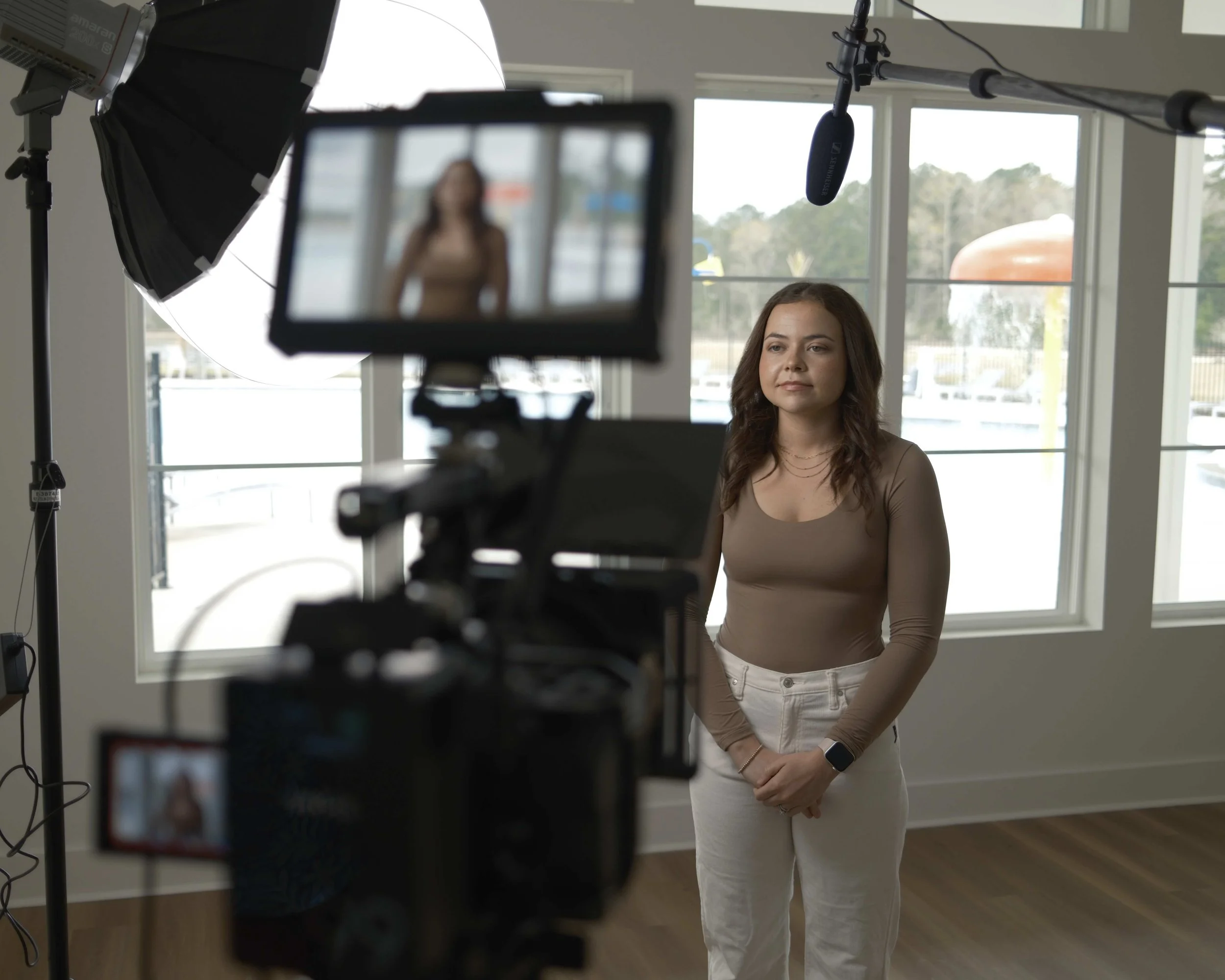
Most companies still treat video like a brand commercial.
A polished message.
A scripted story.
A highlight reel of the company.
But buyers in 2026 are not trying to understand your brand. They are trying to decide if they trust the people behind it.
POV: The most effective business video content introduces your team, not just your company.
When prospects see the people they may eventually work with, trust forms faster. And trust is what moves a buyer from researching to reaching out.
The Trust Gap Most Marketing Teams Are Facing
A common problem I see with company marketing today is a trust gap.
Traffic might be solid.
Content might be consistent.
The website might look great.
But prospects still hesitate before contacting the company.
The cause is simple.
Most marketing shows what a company does.
Very little shows who actually does the work.
When buyers cannot see the people behind the service, they stay cautious. They delay decisions. They continue researching competitors.
In B2B especially, people do not buy services from logos. They buy from people they believe are competent, trustworthy, and easy to work with.
Why Team-Based Video Builds Trust Faster
Putting your team on camera does three things most marketing cannot.
1. It humanizes the company
When someone sees a real person explaining how they solve problems, the business instantly feels more real.
Prospects start thinking:
"That person seems smart."
"They understand the problem we are dealing with."
"This team probably knows what they are doing."
That shift turns anonymous marketing into personal credibility.
2. It answers questions before the sales call
One of the most powerful uses of team video is answering the exact questions prospects are already asking.
For example:
A project manager explaining how projects are managed
A technician explaining how installations actually work
A strategist explaining how results are measured
This type of content removes uncertainty.
Instead of wondering how your process works, buyers already understand it before they reach out.
3. It reduces perceived risk
Every purchase decision contains risk.
Buyers are asking themselves:
Will this team deliver?
Will they communicate well?
Will they understand our situation?
Seeing the team speak directly to these topics reduces that perceived risk dramatically.
It replaces uncertainty with familiarity.
And familiarity drives buying confidence.
Why This Matters Even More in 2026
The way people research companies has changed.
Buyers now encounter businesses through:
LinkedIn content
Short-form video
YouTube
Google search
AI-generated summaries of company expertise
In every one of these environments, people outperform brands.
A knowledgeable employee explaining something clearly will almost always outperform a branded marketing message.
Why?
Because expertise is visible when a real person explains it.
And when prospects see multiple team members consistently sharing insight, the company starts to feel deeper, more experienced, and more trustworthy.
What Types of Team Videos Work Best
Not every employee needs to become an influencer.
But the right people should absolutely be visible.
The most effective team content usually comes from people who are closest to the work.
Leadership perspective
Owners or executives explaining how the company thinks about solving problems.
Operational expertise
Project managers, consultants, engineers, or specialists explaining how work actually gets done.
Customer experience insight
Team members who interact directly with clients explaining what clients should expect during a project.
These videos are not about performance.
They are about clarity.
Clear explanations create trust.
The Common Objection: "Our Team Isn't Comfortable on Camera"
Almost every company says this at first.
And honestly, it is completely normal.
Most professionals have never been asked to speak on camera before.
But comfort grows quickly when the system is right.
The goal is not performance.
The goal is conversation.
When people simply explain what they already know, the content becomes natural very quickly.
And those explanations often turn into some of the most valuable marketing assets a company has.
A Strategic Approach to Team-Based Video
The mistake many companies make is asking employees to "create content."
That rarely works.
Instead, the system should be structured around the questions buyers already have.
Start with questions like:
What confuses clients most before hiring us?
What misconceptions do people have about our industry?
What do clients need to understand before starting a project?
Then assign those topics to the team members who know them best.
The result is video content that educates prospects while simultaneously introducing the people behind the work.
What Happens When Companies Do This Consistently
When companies regularly feature their team on camera, several things start happening.
Prospects arrive on sales calls already familiar with the team.
Sales conversations become shorter because basic questions were already answered.
And the company begins to look like the authority in its space.
Not because of branding.
Because the expertise of the team is visible.
Final Thought
Most companies are sitting on their most valuable marketing asset and not using it.
Their team.
In 2026, the companies that build trust the fastest are the ones willing to put their expertise on camera.
Because when buyers can see the people behind the work, confidence grows long before the first conversation ever happens.
And confidence is what drives the decision to reach out.