Why Construction Companies With Strong Reputations Still Lose Work to Less Qualified Competitors
If you've been in construction long enough, you've probably lost a bid you should have won.
Not because your qualifications were weaker. Not because your price was off. Because the firm that won it looked more credible to someone who didn't know either of you.
That happens more than most construction companies want to admit. And it keeps happening until the gap between how strong a firm is in the real world and how much of that strength a buyer can actually see gets closed.
The Reputation Problem
Reputation is the most valuable thing a construction company builds over time. It's what generates referrals, sustains relationships, and keeps the phone ringing from clients who've seen your work up close.
But reputation has a reach problem.
It travels well inside your existing network. The project owner who watched you deliver on a difficult job. The engineer who's seen your crews operate in conditions most contractors would have walked away from. The subcontractor who's been on your sites and knows how you run things.
That reputation is real and it's earned. It just doesn't travel to people who've never seen you work.
When a new program manager takes over at an agency your firm has served for years, they don't inherit the relationship. When a project owner in a new market gets a referral to your company, they can't call the person who referred them for a thirty-minute reference check before every decision. When a federal agency is evaluating five pre-qualified firms for a major infrastructure program, the evaluators making the shortlist decision may never have visited a single job site.
What they can do is look you up. And what they find when they do matters more than most construction companies realize.
What a New Buyer Actually Sees
Think about what a project owner, agency contact, or program manager finds when they research a construction firm they've heard about but never worked with.
They find a website. They find a project list. They might find a capabilities statement in PDF form. If the firm is active on LinkedIn, they find some posts.
What they rarely find is anything that makes the firm's real-world capabilities visible. The scale of the work. The complexity of the site conditions. The way the crew operates. The leadership team talking about how they approach a difficult project. The footage from an active job site that makes the work feel real instead of described.
A firm with a strong reputation and weak digital presence is asking a new buyer to take someone else's word for it. Some buyers will. Many won't — especially when a competitor has given them something to actually see.
The Dynamic Group Example
Dynamic Group is a civil construction and disaster response firm headquartered in Baton Rouge. They've been doing large-scale infrastructure work across Louisiana for years, the kind of work that builds a reputation through performance, not marketing.
Their involvement in the West Shore Lake Pontchartrain project tells you everything about where they operate. A $3.7 billion USACE flood protection initiative. Levee construction, T-wall installation, pile driving, and marine civil work across St. Charles, St. John, and Jefferson parishes. Active waterways. Live I-10 traffic. Coastal Louisiana weather.
That is not a company that needs to explain its capabilities to anyone who's worked with them.
But a program manager who's never seen a Dynamic Group job site? A new agency contact evaluating contractors for the next phase of a federal infrastructure program? A project owner in a market where Dynamic Group's name hasn't traveled yet?
They need something to look at.
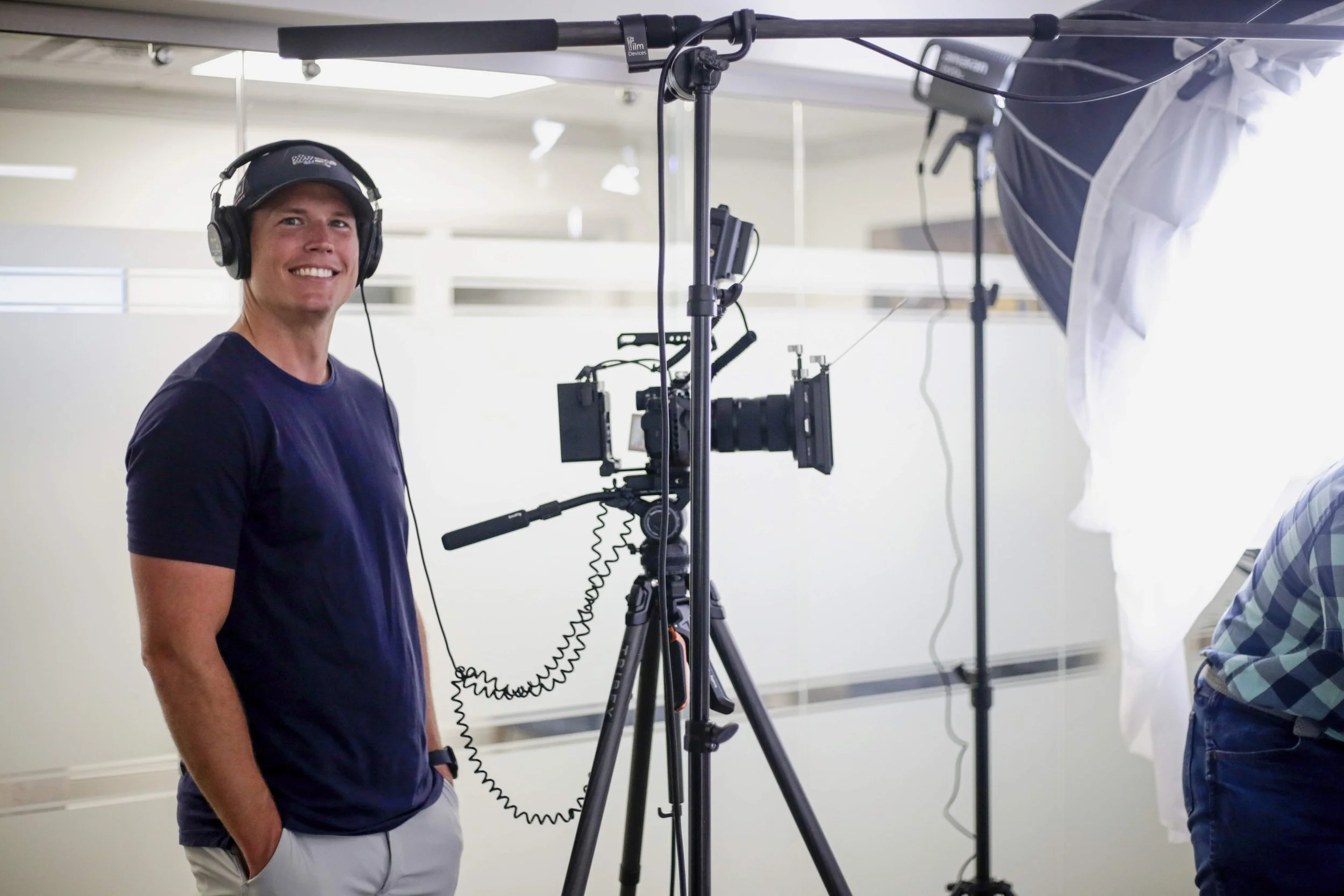
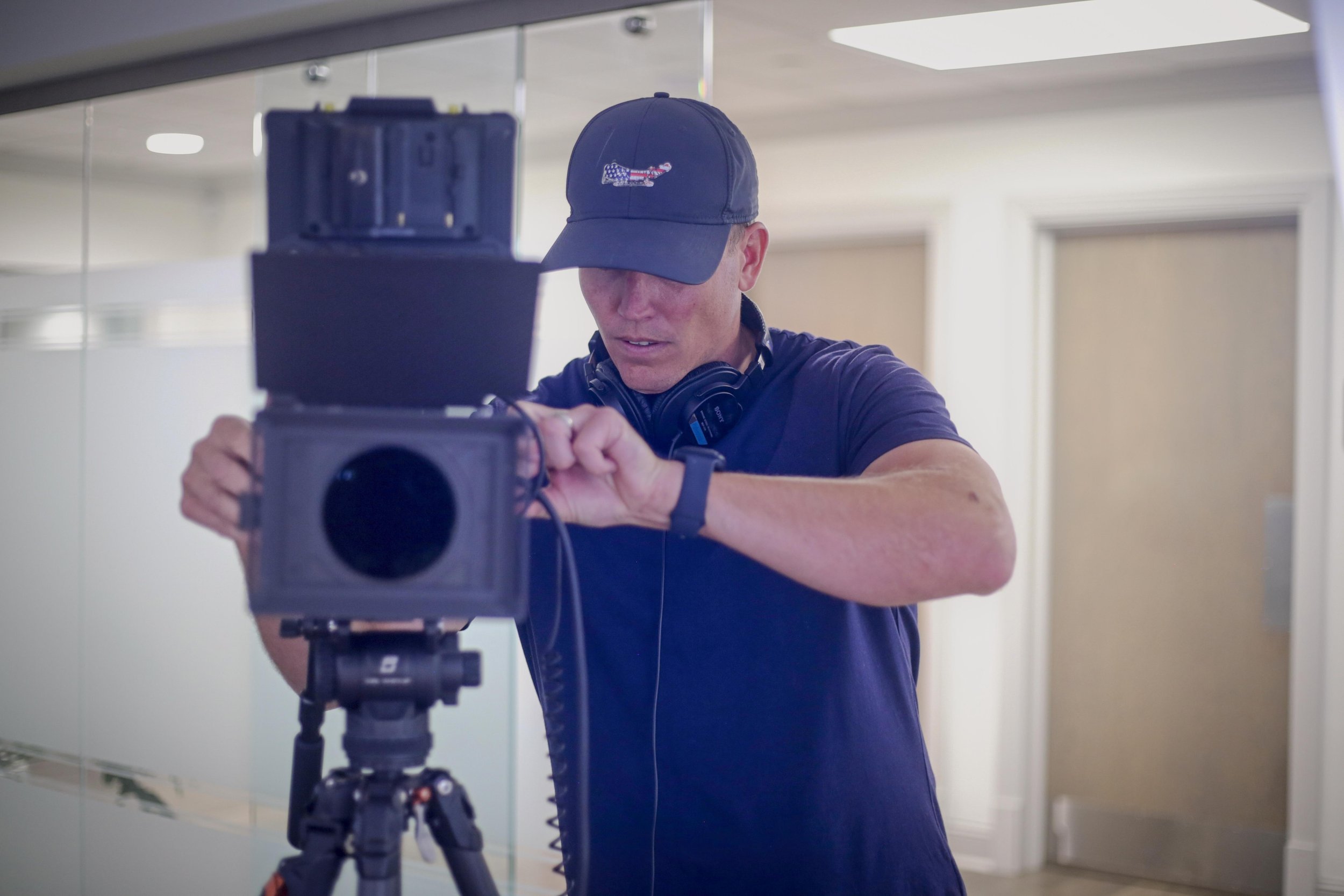
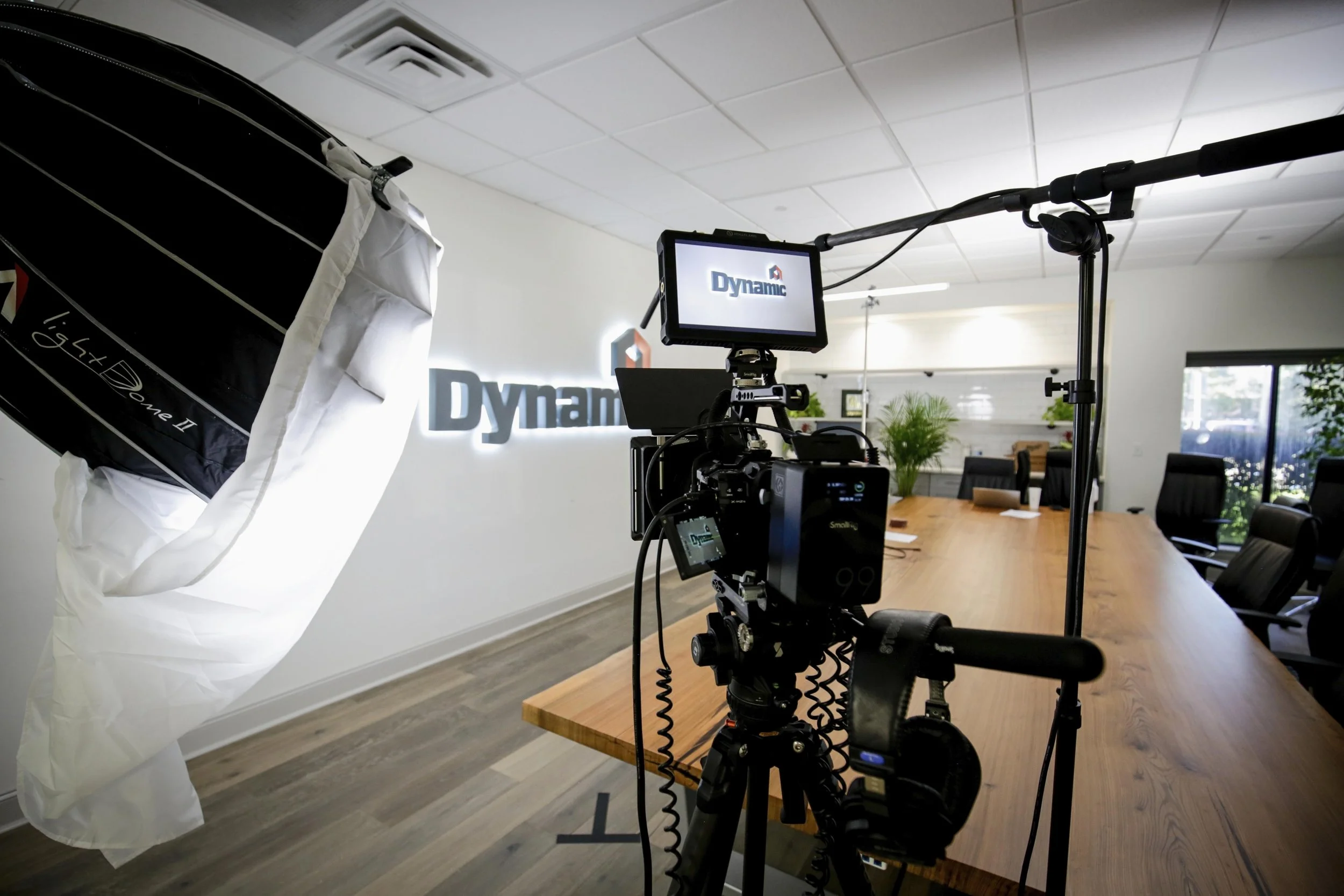
That's what the project highlight video we produced gives them. Footage from the field. Interview perspective from the people building it. A clear picture of the scope, the site conditions, and the construction sequencing in a format that can be in front of a decision-maker before a proposal is ever submitted.
It doesn't replace the reputation. It makes the reputation visible to people who haven't earned it yet.
What This Means for Your company
If your construction company wins most of its work through relationships and referrals, that's a sign the reputation is working. It's not a sign that the reputation is enough.
Every new client relationship started somewhere. Every new market required someone to take a chance on a firm they didn't know yet. Every federal pre-qualification involved an evaluator making a judgment call with limited information.
The question worth asking is what that evaluator, that new client, that program manager finds when they look your firm up. Is the answer a website with a project list and a capabilities PDF? Or is there something they can actually watch that makes your real-world competence visible before the first conversation starts?
The firms that win work in markets where they're not yet known and from clients who've never been on their job sites, are the ones who've figured out how to make their reputation travel further than word of mouth.
Video is how you do that.